Best Spanish Cities for American Expats: The Honest 2026 Guide
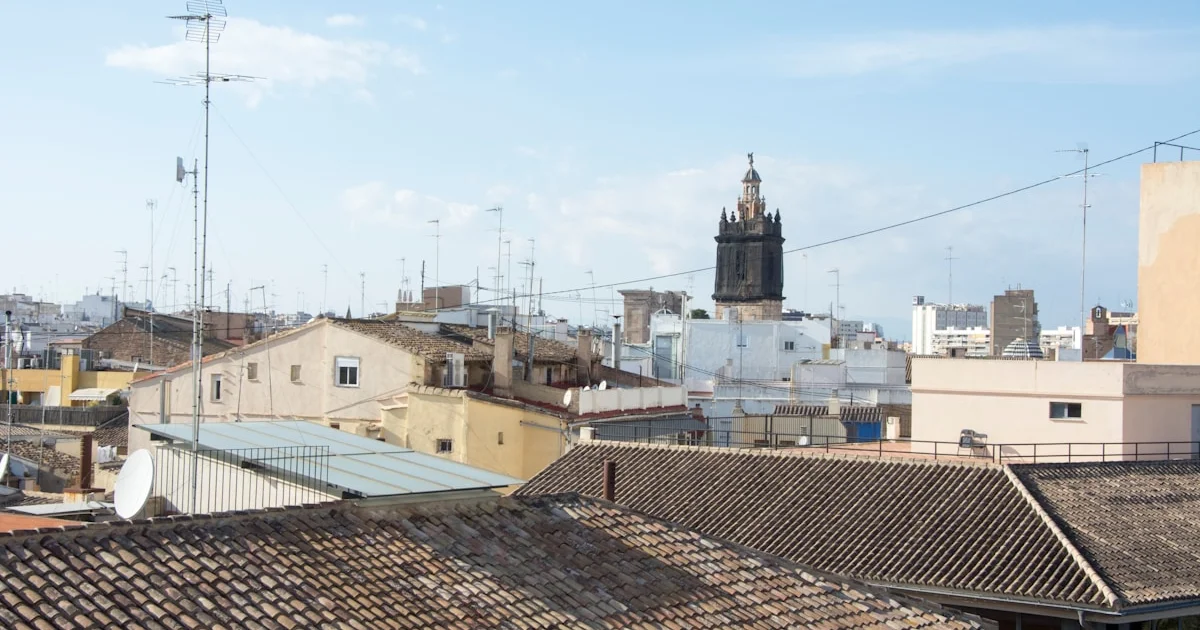
There is no best Spanish city. There is the best Spanish city for the specific shape of your life — the climate your body tolerates, the rent your remote salary or pension absorbs without flinching, the size of the English-speaking circle you need to feel less alien on a Tuesday in February, the distance you can stand between your front door and the sea. Americans arriving in 2026 are walking into a country that has changed faster than the guidebooks suggest: housing has tightened in the obvious places, anti-tourist sentiment has hardened in two cities specifically, AVE rail lines have collapsed travel times that used to require flights, and the digital nomad visa has rerouted the typical American expat away from the coastal clichés. This guide profiles ten cities through four honest axes — cost, climate, expat density, and the texture of daily life — with concrete numbers from INE, AEMET, Aena, Idealista, and Numbeo, and one unflattering observation per city that the relocation brochures will not give you.
The Honest Framework
Most "best cities" lists are written by people who spent four days in each place during a press junket. This one is not. Each profile below is built from the same underlying data layers, and where the data ends, the honest observation begins.
Population figures come from INE's 2026 padrón projections, which track residents who have formally registered at their local town hall. American resident counts are pulled from the same padrón data filtered by nationality, and they are approximate — many Americans live in Spain on tourist stamps, golden visas, or digital nomad permits without registering at the padrón until they need a NIE-linked service, so the real numbers are slightly higher than what INE shows.
Climate uses AEMET 30-year averages for July maximums, January minimums, and annual rainfall, supplemented by the past three summers of recorded peaks because Spanish summers in 2023, 2024, and 2025 broke historical norms badly enough that the averages alone now lie a little.
Cost comes from a Numbeo-Idealista crosscheck for one-bedroom rent (centro and periferia separately), with grocery and transport figures from Numbeo's January 2026 city pages. Where the two sources diverged by more than fifteen percent, I averaged them.
Connectivity is built from Aena passenger data for airports and Renfe schedules for AVE high-speed rail times to Madrid, since Madrid remains the practical hub for international flights back to the US.
What this article does not cover: pueblos under 50,000 residents, the smaller Balearic and Canary islands, and any deep treatment of the Canary Islands' tax regime — Tenerife and Gran Canaria deserve a dedicated piece because the REF and ZEC frameworks reshape the financial calculation enough to require their own analysis. They get a brief mention in the "beyond the top ten" section and nothing more. This piece also does not handle visa logic, which is treated in our overall moving-to-Spain framework, or the procedural NIE side, covered separately in the NIE comisarías and procedure deep-dive.
Quick Decision Matrix
The matrix below is meant for triage, not commitment. Read it to eliminate three or four cities, then read the full profile of the remaining six.
| City | Cost | Climate | Expat Community | Walkability |
|---|---|---|---|---|
| Madrid | High | Temperate continental | Large | 5/5 |
| Barcelona | High | Mediterranean | Large | 5/5 |
| Valencia | Mid | Mediterranean | Medium-Large | 4/5 |
| Sevilla | Low-Mid | Hot Mediterranean | Small-Medium | 4/5 |
| Málaga | Mid | Subtropical mild | Large | 4/5 |
| Bilbao | Mid | Oceanic / wet | Small | 5/5 |
| Granada | Low | Continental | Small | 4/5 |
| Alicante | Low-Mid | Semi-arid Mediterranean | Medium-Large | 3/5 |
| San Sebastián | High | Oceanic / cool | Small | 5/5 |
| Palma de Mallorca | High | Mediterranean island | Medium | 4/5 |
Cost is rent-anchored: low means a one-bedroom in a decent neighborhood under €800, mid sits between €800 and €1,200, high crosses €1,200. Expat community size refers specifically to Americans plus the broader English-speaking ecosystem (Brits, Irish, Australians, Northern Europeans operating in English). Walkability is subjective and reflects real daily errand patterns, not tourist-zone sidewalk density.
Madrid
Madrid is the city Americans pick when they are not yet sure which Spain they want. It absorbs everyone — the corporate transferee, the retiree who needs a hospital twenty minutes away, the digital nomad who values direct flights to JFK, the writer who needs a Prado within walking distance. With 3.34 million residents in the city proper and roughly 12,000 registered American residents (approximate, padrón INE 2025 figures), the expat infrastructure is the densest in the country: international schools, English-speaking GPs, American-style brunches if you want them, and a Meetup ecosystem that runs in English most weeknights of the year.
The climate is the first reality check. Madrid sits at 667 meters of elevation in the middle of a high plateau, which means winters bite — January nights routinely drop to 1°C or 2°C, and the wind off the Sierra de Guadarrama makes 5°C feel like 0°C. Summers are dry but unrelenting, with July highs averaging 28°C and frequently breaking 38°C through the afternoons. There is no sea breeze. There is no sea. The compensation is the Sierra, forty minutes north, where Americans who miss Colorado can ski Navacerrada in winter and hike Peñalara in spring.
Rent in 2026 is the second reality check. A one-bedroom in central Madrid runs about €1,450, and €1,100 if you are willing to live in Tetuán, Carabanchel, or out toward Vicálvaro. These numbers have climbed roughly 35% since 2019, faster than salaries, and the rental market clears apartments in days rather than weeks.
Neighborhood logic matters more in Madrid than in any other Spanish city because the metro distances are real:
The Salamanca district is the high-end choice — wide streets, embassies, the Calle Serrano luxury corridor, families with school-age children, and rents that start where most other neighborhoods end. Chamberí is the family pick: pre-war architecture, neighborhood butchers and fishmongers still operating, Plaza de Olavide as a Sunday gravitational center, and the kind of community density that makes children's birthday parties feel like a small village. Lavapiés is the most diverse neighborhood in Spain, with Bangladeshi, Senegalese, and Latin American communities living in genuine integration; rents are lower, the food is the most interesting in the city, and gentrification pressure is real but slower than Malasaña's. Malasaña is where the under-thirty crowd lands — bars open late, the streets get loud on weekends, and you will not sleep without good windows.
The honest observation about Madrid: it is the only major Spanish city that does not feel Spanish in the postcard sense. There is no beach, no obvious Old Town silhouette, no regional folkloric identity that an American can latch onto in week one. Madrid reveals itself slowly — through the late-night dinner culture, through the way August empties the city completely, through the brutal daily commute on Line 6. People who arrive expecting Barcelona-with-no-beach leave disappointed within a year. People who arrive willing to learn the city's specific rhythms tend to stay a decade.
Best for: corporate transferees, families needing international schools, anyone who flies to the US more than three times a year, people who genuinely do not need the sea.
Barcelona
Barcelona is the city most Americans imagine before they have actually researched anything. The Mediterranean is twenty minutes from any neighborhood. The Gaudí inheritance is real and not overrated. The food culture sits at the intersection of Catalan tradition and global influence in a way that makes daily eating genuinely interesting for years. With 1.66 million residents and roughly 6,000 registered Americans, it is the second-largest American expat scene in Spain, and the broader English-speaking community is enormous because Barcelona has been a magnet for British, Irish, Dutch, and German expats for three decades.
The 2026 reality has hardened, though, and pretending otherwise is dishonest. The Collboni administration has implemented significant restrictions on tourist apartments — the city is on a path to eliminate the roughly 10,000 licensed tourist flats by 2028, which is reshaping the rental market in ways that benefit long-term tenants but tightens short-term housing for arriving expats who need three months to find a permanent place. The tourist tax has climbed to €4 per night for short stays as of 2025, with city surcharges layered on top. Anti-tourist sentiment is visible — the 2024 water-pistol protests on Las Ramblas were not a one-off, and the underlying tension has only grown.
The Catalan language situation deserves honesty too. Catalan is co-official with Spanish, and while you will function in Castilian in any commercial or medical context, schools default to Catalan as the instructional language, official paperwork arrives in Catalan first, and your children — if they are school-aged — will learn Catalan before they fully consolidate Spanish. This is neither a problem nor a feature, but it is real.
Rent runs about €1,400 for a centro one-bedroom and €1,050 outside the centre. The honest observation: Barcelona in 2026 is more expensive per square meter than Madrid in some neighborhoods, and the rental contracts have shortened in average duration as landlords adapt to the new regulations.
Pros and cons, since Barcelona is the city where Americans most need a clear-eyed list:
- Pros: beach access daily, world-class architecture as visual default, the densest English-speaking professional network outside Madrid, El Prat airport with direct US flights, Mediterranean climate with mild winters around 13°C in January and July highs near 28°C, AVE to Madrid in 2:30.
- Cons: rising local hostility toward visible tourism, language complexity for families, smaller apartments than Madrid for the same money, summer heat plus humidity that hits harder than Madrid's dry equivalent, pickpocketing remains the most aggressive of any major Spanish city.
Best neighborhoods for arriving Americans: Eixample (the grid, dense services), Gràcia (village-within-city feel, more local than tourist), Poblenou (the post-industrial tech corridor with new construction and beach access), Sant Antoni (newly gentrified, Sunday market, walkable scale).
Valencia
Valencia is the answer when an American sketches the ideal city on paper — warm but not Sevilla-hot, beach but not Barcelona-priced, walkable, growing English-speaking community, an actual functioning bicycle infrastructure rather than the painted-on token kind. With 800,000 residents and roughly 3,000 registered Americans (approximate, padrón INE 2025), the expat scene has roughly tripled since 2019 and is now visible in any Ruzafa café on a Saturday morning.
Rent confirms the appeal: €950 for a centro one-bedroom, €700 in periferia. These numbers are the lowest of the three Mediterranean coast Tier-1 cities. Groceries run roughly 15% under Madrid prices, and the horchata is a real cultural object rather than a marketing line.
The Turia is the city's central strangeness — a former riverbed converted into a 9-kilometer linear park after the 1957 flood diverted the actual river south. Valencianos jog it, families picnic in it, the Ciudad de las Artes y las Ciencias sits at its eastern terminus like a Calatrava sci-fi set, and the western end runs out near Bioparc. Living near the Turia means a daily green corridor most American cities cannot replicate.
Ruzafa is the neighborhood Americans gravitate toward first — the post-industrial conversion has produced a dense café culture, vegan restaurants exist in real numbers, and the architecture mixes 1900s tile-fronted buildings with modern interventions. El Carmen is the medieval Old Town, prettier and louder. El Cabanyal is the old fishermen's neighborhood by the beach, finally protected from the speculative wave that nearly bulldozed it in the 2000s, now sitting at the inflection point where rents are still lower than the city center but climbing fast. Benimaclet is where families and students mix, with a village feel inside the city.
The honest observation about Valencia: the climate is more humid than the AEMET headlines suggest. July highs hit 30°C but the relative humidity in August often pushes 75%, which is the kind of moisture that changes how laundry dries and how mosquitoes breed. The DANA flooding event of October 2024 — which devastated the southern metropolitan towns of Paiporta, Catarroja, and Alfafar more than the city center itself — is still a live conversation in 2026. The reconstruction is ongoing, the political accountability questions are unresolved, and the climate trend means Mediterranean DANAs are intensifying. Valencia city proper was not significantly damaged, but the metropolitan area was, and any expat moving to a southern suburb should ask serious flood-risk questions before signing.
AVE to Madrid runs 1:55, which is the fastest connection of any coastal city to the capital. Valencia's Manises airport handles Ryanair, Vueling, and a growing list of European routes; for direct US flights you transit Madrid. Best for: digital nomads who want Mediterranean climate at sub-Madrid prices, families who want walkability with a beach, retirees who find Málaga too British and Sevilla too hot.
Sevilla
Sevilla in August is genuinely brutal — even Spaniards leave. This is the first thing to know, before the Triana fado-flamenco evenings and the orange trees lining Avenida de la Constitución pull you into the romantic version. AEMET's official July maximum average is 36°C, but real summer afternoons hit 42°C to 45°C with depressing regularity, and the urban heat island effect inside the centro means the stone buildings radiate warmth past midnight. Locals empty the city in August, schools close for three months, and any American who arrives in July expecting "warm" will recalibrate quickly.
The trade-off: the other ten months are extraordinary. October to May, Sevilla operates on a daily rhythm that is closer to how cities are supposed to feel — terraces full at 11pm, the Alcázar gardens at golden hour, the Guadalquivir bending past Triana in a way that Andalusian poets did not exaggerate. With 686,000 residents and a small but tight foreign community (registered Americans well under 1,000, approximate padrón INE 2025), the English-speaking scene is a fraction of Madrid's or Valencia's. You will need functional Spanish faster here than in any city above.
Rent reflects the southern discount: €850 for a centro one-bedroom, €650 outside. Groceries are the cheapest of any Tier-1 city profiled here. AVE to Madrid runs 2:30, which means you can leave Sevilla at 7:00 and be at a Madrid meeting by 10:00.
Neighborhood texture matters in Sevilla because the city's compactness hides real differences:
| Neighborhood | Character | Rough rent (1BR) |
|---|---|---|
| Triana | Working-class roots, flamenco history, ceramics tradition, river-facing | €900 |
| Santa Cruz | Old Jewish quarter, tourist-heavy, pretty, narrow streets | €1,000+ |
| Nervión | Modern, residential, near the Sevilla FC stadium, more car-friendly | €750 |
| Macarena | Northern, working-class, university adjacent, cheaper | €650 |
| Los Remedios | Residential, family-oriented, across the river from the centro | €800 |
Sevilla is the city where the Spain-of-the-imagination overlaps most directly with daily reality. Semana Santa is not a tourist event — it is the central civic ritual of the year, and if you live in the centro, you will rearrange your week around it. Feria de Abril follows two weeks later. The city's identity is denser than Madrid's or Valencia's, which is either a feature or an obstacle depending on how much cultural friction you welcome.
Best for: writers, retirees who can leave Spain in August, people who already speak some Spanish and want immersion, anyone who finds Northern European cities emotionally cold.
Málaga
Málaga has reinvented itself between 2010 and 2026 more visibly than any other Spanish city. The Pompidou opened in 2015. The Carmen Thyssen followed. The Centre Pompidou's permanent presence and the Picasso birthplace anchor a museum density that is genuinely surprising for a city of 590,000. The Soho district rebranded as the arts neighborhood. The Málaga TechPark on the western edge of the city has pulled Google, Vodafone, and a list of mid-tier tech firms into a campus that now employs over 25,000 people, and Google's 2023 cybersecurity center expansion accelerated the local economy in ways the rental market is still absorbing.
The climate is the underlying draw. Subtropical Mediterranean, July averages around 30°C, January around 17°C, and the annual sunshine count exceeds 2,800 hours — among the highest in Europe. Winters mean light cardigans, not heating bills. The Costa del Sol stretches west in a continuous ribbon of British-saturated retirement towns (Fuengirola, Marbella, Estepona), but Málaga itself remains a working Spanish city with a recognizable Andalusian identity.
Rent runs €1,100 centro and €850 periferia in 2026, which sits below Madrid and Barcelona but has climbed sharply since 2020. Roughly 4,000 registered Americans live in the city proper (approximate, padrón INE 2025), and the broader English-speaking ecosystem — Brits, Irish, Scandinavians — likely pushes the functional English-speaking community above 50,000 across the wider Costa del Sol.
Notable neighborhoods:
- Soho (centro south): the arts district, walking distance to the port and the Pompidou, dense restaurant scene, prices climbing.
- Pedregalejo: former fishing village absorbed by the city, beachfront paseo with traditional chiringuitos serving espetos de sardinas, more relaxed than the centro.
- El Limonar: the historic upper-middle-class residential zone, larger apartments, slower pace, popular with families.
- Teatinos: northwest, near the university and the TechPark, newer construction, where younger remote workers cluster.
The honest observation about Málaga: the British-retiree gravity well is real, and depending on which side of the city you choose, you can spend weeks operating entirely in English. This is either the feature you wanted or the failure mode you came to Spain to avoid. Málaga centro retains Spanish character; the wider Costa del Sol does not. AVE to Madrid runs 2:30. The airport is the third-most-international in Spain after Madrid and Barcelona, with direct routes to most of Europe and seasonal direct flights to New York.
Best for: retirees, sun-driven remote workers, families who want beach access plus a real city, anyone for whom mild winter is a hard requirement.
Bilbao
Bilbao's rain is the kind that requires a real raincoat, not the foldable one Americans pack. Annual precipitation hits 1,100mm spread across roughly 200 days a year, which means the rain is not torrential so much as constant — a fine, persistent dampness that the Basques have a word for (sirimiri) and that Americans coming from California or Texas underestimate consistently. The flip side is summers that cap at 23°C in July, lush green mountains visible from any high window in the city, and an absence of the Mediterranean sweat-and-glare cycle that defines the southern half of the country.
The city is 343,000 residents, the metro area approaches 900,000, and the registered American population is well under 1,000 (approximate, padrón INE 2025). The English-speaking community is small but cohesive — people who chose Bilbao chose it deliberately, often for the food, the proximity to French Basque country, or the cooler summers.
The transformation arc is the underlying Bilbao story. The 1980s left the city as a deindustrializing port, the Guggenheim opened in 1997, and the subsequent thirty years of urban regeneration produced a city that is genuinely walkable, with a metro designed by Norman Foster, a pedestrianized Casco Viejo, and a riverfront that has been reclaimed from container shipping into public space. Walkability is 5/5 — the city is small enough to cross on foot in 45 minutes.
Food deserves its own paragraph here. The pintxo culture is what defines Basque eating, not the pan-Spanish tortilla wars. A Bilbao pintxo is a small architectural object on a slice of bread, ordered standing at a bar, paid for at the end of the round when you tally your toothpicks. The neighborhoods to know are Casco Viejo (the medieval seven streets, dense pintxo bar concentration), Indautxu (residential, central, where most expats end up), and Abandoibarra (the Guggenheim-anchored modern riverfront with the Iberdrola tower and the new university campus). Rent runs €1,100 centro and €850 outside, which is roughly Málaga prices for a wetter, cooler, much smaller city.
Basque language exposure is real but lower-stakes than the Catalan situation in Barcelona. Euskara is co-official, signage is bilingual, schools offer trilingual tracks (Basque-Spanish-English), but commercial and medical interaction defaults to Spanish without friction. Your neighbor will speak Basque to her grandmother and Spanish to you, and that is the equilibrium.
Bilbao's airport handles direct European routes; for transatlantic flights you connect through Madrid (one-hour flight) or Barcelona. Best for: people who hate heat, food-driven expats, anyone with Northern European climate preferences who still wants Iberian culture.
Granada
Granada is the Spanish city that kept the old free-tapas-with-drinks tradition long after the rest of the country abandoned it. Order a beer for €2.50, get a small plate of jamón or croquetas with it, and continue the math from there: in a Granada bar, four drinks become dinner. This is not folklore — it is the actual operating rule of the city's bar economy in 2026, and it is the last serious holdout in mainland Spain.
The city sits at 738 meters of elevation at the foot of the Sierra Nevada, which means winters are cold enough that snow on the Alhambra is a yearly photograph rather than a freak event. July afternoons reach 38°C in the city, but the dry continental heat is more tolerable than coastal humidity, and the evenings cool sharply. January nights drop to 1°C with regular frosts. The Sierra Nevada ski resort is 35 minutes by car — Americans from Colorado or Utah find this absurdly close.
Population is 230,000 in the city proper, and a third of the daytime population is University of Granada students, which colors everything: the rents stay low, the rhythm tilts toward late nights, and the academic calendar shapes the city's mood. Registered Americans number well under 1,000 (approximate, padrón INE 2025). The English-speaking community is small, transient, and dominated by short-term students, language teachers, and a thin permanent expat layer.
Rent is the cheapest of any city in this guide: €700 centro, €550 outside. Realejo is the old Jewish quarter, sloping up toward the Alhambra, full of art studios and small bars. Albaicín is the Moorish quarter on the opposite hillside, UNESCO-protected, mazed with white-walled lanes that disorient Google Maps; rents here can be lower than centro because the cobbles and stairs make daily life harder. Centro proper anchors around Calle Reyes Católicos and the Cathedral. Zaidín is the working-class southern neighborhood where rent drops further still.
The honest observation: Granada's infrastructure is thinner than the coastal cities. The airport (Federico García Lorca) handles a limited list of domestic and short European routes; international travel routes through Málaga or Madrid. AVE to Madrid runs 3:05 via Antequera, which is the slowest of the AVE-connected cities profiled. The city does not have a subway — buses and walking are the system, and the Alhambra-side hills make daily errands more physical than in flat cities. Healthcare is good but more concentrated than in larger metros; specialist care often means a trip to Málaga or Sevilla. Best for: students, writers, retirees on tight budgets, anyone who values mountain proximity, people who genuinely enjoy walking uphill.
Alicante
Alicante is the Costa Blanca's working capital, and it is what Málaga was fifteen years ago — a real Spanish city with a serious beach, smaller airport, lower prices, and a retiree expat scene that has been quietly building for decades without the British-dominated saturation that defines Málaga's western coastal towns. Population sits at 340,000. AVE to Madrid runs 2:20, which is faster than Málaga and slower only than Valencia among coastal cities.
The climate is semi-arid Mediterranean — July averages 32°C, but humidity stays lower than Valencia or Barcelona because the Costa Blanca's microclimate is drier. Annual rainfall is roughly 280mm, among the lowest in Spain. Winters are mild (January around 12°C). The unofficial WHO study from the 1980s ranking Alicante's climate among the world's healthiest is still cited locally, and while the original document is hard to source, the underlying pattern — mild winters, dry summers, sea breezes — is real.
| Neighborhood | Character | Rough rent (1BR) |
|---|---|---|
| Centro | Old town, dense, near the marina | €900 |
| Playa San Juan | Beach-suburb, families and retirees, modern construction | €750 |
| El Campello | North coastal town, slower pace, tram to centro | €650 |
| Albufereta | Mid-zone between centro and Playa San Juan, residential | €750 |
Rent runs €800 centro and €600 outside. The honest observation about Alicante: it is dispersed in a way the other coastal cities are not. Walkability inside the centro is solid, but daily life increasingly requires the tram (TRAM Metropolitano) or a car if you live in Playa San Juan or El Campello, which most expats end up doing because the centro is small. This pulls the walkability score down to 3/5 — high for an American city, low for a Spanish one. The airport (Alicante-Elche) handles a strong roster of European budget routes but no direct US flights; New York flights connect through Madrid.
The American expat presence is medium-large in functional terms, though the registered numbers stay under 1,000. The dominant English-speaking community is Northern European retirees — Brits, Norwegians, Dutch, Germans — many of whom split the year between Alicante and a home country. Best for: retirees on moderate budgets, beach-priority expats who find Málaga overpriced, people who want a quieter version of the Mediterranean lifestyle.
San Sebastián
San Sebastián holds more Michelin stars per capita than any city on Earth, and this is the kind of statistic that sounds like marketing until you eat in three of the small kaikus around Gros and realize the average bar food in this city is better than the upper third of restaurants in any American metro. Three restaurants — Arzak, Akelarre, Martín Berasategui — hold three stars each, and the broader pintxo culture in the Parte Vieja operates at a level that the rest of Spain quietly acknowledges as a separate league.
The city is small. 188,000 residents, the bay of La Concha curving in a near-perfect arc between Monte Igueldo and Monte Urgull, and the Urumea river dividing the centro from Gros. Walkability is 5/5; you can cross the city in thirty minutes. Climate is oceanic — July averages 24°C, January around 8°C, annual rainfall hits 1,500mm spread across more days than Bilbao's. Summers are cool by Spanish standards, which makes San Sebastián the city Americans gravitate toward when their primary fear is heat.
The cost is the obstacle. Rent for a centro one-bedroom runs €1,300, periferia €1,000, which puts San Sebastián near Madrid prices in a city a fraction of Madrid's size. The underlying problem is housing scarcity — the city is geographically constrained between the bay, the river, and the mountains, and new construction is limited by both topography and protected coastline. Vacancy rates are functionally zero, and rental contracts move within hours of listing. Americans arriving without a Basque-Spanish-speaking contact to help search will spend two months in temporary housing before securing anything permanent.
Neighborhoods are tight and well-known: Gros is the surf-and-cafés neighborhood east of the river, where younger residents and most foreign professionals end up. Centro (Centro Romántico) is the 19th-century grid between the river and the bay, expensive and central. Antiguo is the residential western neighborhood near the university, with quieter streets and slightly lower rents. Parte Vieja is the old quarter, dense with pintxo bars; living there means accepting tourist noise.
The registered American population is small (well under 500, approximate padrón INE 2025), but the expat scene is unusually tight because the small size of the community produces real social density. Basque is more present in daily speech than in Bilbao — bilingual schools dominate, and you will hear Euskara on the street more often than Spanish in some neighborhoods. The airport (Hondarribia) handles a thin list of regional routes; most international travel uses Bilbao's airport (1 hour by bus) or Biarritz across the French border (40 minutes). Best for: food-obsessed expats with Madrid-level budgets, people who actively want cool summers, writers and academics, anyone with French Basque ties.
Palma de Mallorca
Palma is its own category — an island capital that operates differently from any mainland Spanish city in this guide. Population 420,000. Annual tourist count exceeds one million in the metro area during summer peaks, which reshapes the city's rhythm in ways residents accept as a seasonal trade. Winter Palma is quiet, residential, and noticeably cheaper to live in. Summer Palma is loud, expensive in restaurant terms, and clogged at every coastal access point.
The American expat scene is medium-sized but well-established, anchored alongside a much larger German community that has been a structural feature of Mallorca for fifty years. The combined English-and-German-speaking professional ecosystem is dense enough that international schools, English-language pediatricians, and German bakeries are normal urban features rather than exotica.
Rent is high: €1,250 centro, €950 outside. The cost is driven by limited island housing supply and sustained foreign demand. The 2022 Balearic regulations restricting non-resident foreign property purchases to certain zones tightened the market further, though the rules apply more to non-EU citizens than to legal residents; Americans on a digital nomad or NLV visa with Spanish residency can navigate this with patience.
Climate is Mediterranean island — July around 30°C, January mild around 14°C, annual rainfall low at roughly 450mm. The trade winds keep summer heat more bearable than mainland coastal cities at the same latitude.
Neighborhoods worth knowing:
- Old Town (Casco Antiguo): dense, walkable, cathedral-anchored, expensive but architecturally rewarding.
- Santa Catalina: the formerly working-class fishermen's neighborhood now fully gentrified, with the central market as gravitational anchor and the highest restaurant density on the island.
- Portixol: small marina-side neighborhood east of the centro, popular with Northern European retirees and remote workers, sea-facing and quiet.
- El Terreno: hillside, mixed character, rents drop slightly, sea views from upper apartments.
The honest observation about Palma: island life sounds romantic until you price the flights. Mainland Spain trips through Iberia or Air Europa run €60-€200 round-trip depending on season and timing, and the cumulative cost of leaving the island regularly adds up. The Palma airport is Spain's fifth-busiest, which is the saving grace — direct European routes are extensive, and seasonal direct flights to JFK exist. Best for: established expats with budgets, retirees with strong island preference, people who want Mediterranean climate plus separation from mainland intensity.
Cities to Consider Beyond the Top Ten
Several mid-sized Spanish cities sit just outside this guide's main treatment but deserve mention for specific use cases.
Cádiz is the southern coastal city Americans rarely consider and often regret missing once they visit — it sits on a peninsula in the Atlantic-Mediterranean transition zone, the historical Old Town predates Roman occupation, rent runs roughly Granada-level, and the climate is mild year-round. The trade-off is a small airport (Jerez, 35 minutes north) and a smaller economy that limits remote-work-tier coworking infrastructure.
Pamplona is small, expensive relative to its size, and dominated globally by the San Fermín festival in July, which is one week of the year and not what daily life looks like the other fifty-one. The English-speaking community is thin.
Santander offers Bilbao-adjacent cantabrian coast charm with a quieter pace, but the rain pattern is similar to Bilbao without the food culture or transformation arc to compensate.
Tenerife and the broader Canary Islands deserve their own dedicated article because the REF (Régimen Económico y Fiscal) and ZEC (Zona Especial Canaria) tax frameworks change the financial calculation significantly — IGIC at 7% replaces mainland VAT at 21%, certain corporate structures access 4% tax rates, and the climate sits closer to Hawaii than Spain. We will publish that piece separately. For now, Tenerife is intentionally outside this guide's scope.
The "Wrong" City for an American
Some cities will frustrate most Americans, and pretending otherwise wastes everyone's time. The pattern is consistent: Americans struggle most in places where the English-speaking infrastructure is thin, the climate punishes a US-default expectation, or the city is too small to absorb cultural friction without it becoming personal.
Pueblos under 30,000 residents are the obvious failure mode. The romantic notion of a white-walled Andalusian village dissolves quickly when the nearest English-speaking GP is 90 minutes away, the local supermarket closes from 14:00 to 17:30, and your Spanish is not yet good enough to navigate the bureaucratic edges of utility contracts and tax declarations. Pueblo life rewards patience and prior fluency; it punishes neither.
Galicia's wet weather catches people off-guard more than any climate factor in Spain. Santiago de Compostela receives 1,900mm of rain annually, A Coruña sits around 1,000mm but with persistent overcast, and the months of November through March are genuinely dim. Americans coming from Seattle adapt; Americans coming from Florida or Arizona often do not. The food is extraordinary, the cities are walkable, but the seasonal affective load is real and underestimated.
Murcia offers low rents but a dry, hot summer climate without the coastal mitigation of Alicante 75 minutes east, and the city's expat community is thin enough that English-speaking daily life requires effort.
Albacete is inland, isolated by Spanish standards, and the AVE connection helps but does not solve the fundamental smallness of the local economy and English-speaking ecosystem.
Logroño is pleasant, the Rioja wine region anchors a strong food culture, but the airport handles minimal traffic and connection to the rest of Europe routes through Bilbao or Madrid.
Toledo suffers a different problem: the daily tourist overflow from Madrid (33 minutes by AVANT, the Renfe high-speed shuttle) reshapes the historic center into a destination rather than a livable neighborhood, and the residential zones outside the walls lack the charm that drew you to consider Toledo in the first place.
The general rule: if a city's English-speaking community is under 200 functional adults, expect to need real Spanish within twelve months or expect isolation.
How to Test Before Committing
Do not move to a Spanish city based on a vacation. Move based on three deliberate trips structured to expose the ordinary parts of life.
The first trip is the shortlist scout — one week per city, three or four cities maximum. Do not stay in tourist-zone Airbnbs. Find a residential neighborhood (Chamberí in Madrid, Ruzafa in Valencia, Indautxu in Bilbao, Gros in San Sebastián), rent for at least seven nights, and live the week as if you already lived there. Buy groceries at the local Mercadona. Sit in three different cafés on three different mornings. Walk the neighborhood at 9pm on a Tuesday and again on a Friday. The difference between tourist Spain and resident Spain is most visible in the texture of weeknight evenings.
The second trip should be off-season, ideally January through March. Spanish summer flatters every city. Spanish winter exposes the real housing — the heating quality of older buildings, the rain pattern, the months when the coastal towns half-shut their restaurants. If you visit Sevilla in October and again in February, you will know whether you can live there. If you only visit in October, you will be surprised in August.
The third trip is the practical one — meet a gestor, walk into the comisaría where you would file your NIE paperwork, look at the public hospital you would use, visit two international schools if you have children. This is the trip where the abstract "moving to Spain" becomes a concrete sequence of buildings and people.
Travel insurance for these scouting trips matters more for Americans than for most nationalities because Medicare does not work abroad and most US private insurance offers limited international coverage. SafetyWing's nomad insurance is the cleanest fit for the multi-week scouting pattern most Americans run, designed specifically for travelers and remote workers crossing borders multiple times — SafetyWing travel coverage details here.
FAQ
What's the cheapest livable Spanish city for retirees?
Granada is the cheapest of the cities profiled here, with one-bedroom rents around €700 in the centro and €550 outside, plus the lowest grocery and dining costs of any major Spanish city. The trade-offs are colder winters than coastal options, a smaller English-speaking community, and a smaller airport. Among coastal options, Alicante offers the best cost-to-livability ratio for retirees, with €800 centro rents and a long-established Northern European retiree ecosystem.
Which city has the most American expats?
Madrid, by a margin. Roughly 12,000 Americans are registered at the Madrid padrón (approximate, INE 2025 figures), and the broader unregistered American population is meaningfully higher. Barcelona is second at roughly 6,000. Málaga's wider Costa del Sol metropolitan area likely holds the largest functional English-speaking community in Spain when including British, Irish, and Northern European residents, but registered Americans alone number around 4,000 in Málaga city.
Best city for remote workers from US?
Valencia and Madrid trade places depending on priorities. Valencia wins on cost (€950 centro rent vs Madrid's €1,450), climate (Mediterranean vs continental extremes), beach access, and walkability with a serious bicycle infrastructure. Madrid wins on direct US flight availability, English-speaking professional density, and AVE hub access. Málaga is a strong third, particularly for remote workers who prioritize year-round mild winters.
Are the Canary Islands tax-friendly for Americans?
Yes, materially so, but the framework is complex enough to require separate treatment. The REF (Régimen Económico y Fiscal) reduces VAT from the mainland's 21% to a 7% IGIC, the ZEC (Zona Especial Canaria) allows qualifying companies to access a 4% corporate tax rate, and personal income tax operates within the standard Spanish framework but with various Canarias-specific deductions. Americans should consult both a Canarias-specialized gestor and a US tax advisor before relocating, because US citizenship-based taxation interacts with the Canarias regime in non-obvious ways.
Should I live coastal or inland?
Coastal cities (Valencia, Barcelona, Málaga, Alicante, Palma, San Sebastián, Bilbao) offer climate moderation, beach access, and generally larger expat communities — at higher rent. Inland cities (Madrid, Sevilla, Granada) trade beach access for either capital-tier infrastructure (Madrid) or lower costs (Granada, Sevilla). The honest answer: if mild winter is a hard requirement, choose the southern coast. If summer heat tolerance is the limiting factor, choose the northern coast. If you do not need the sea, Madrid removes most other constraints.
Best city if I don't speak Spanish at all?
Málaga, with caveats. The Costa del Sol's English-speaking infrastructure is dense enough that you can function in English for daily life longer than in any other Spanish region. Madrid is second — the English-speaking professional ecosystem is large, and most service industries in tourist-adjacent neighborhoods operate bilingually. Barcelona is workable but adds Catalan as a layer. Valencia, Sevilla, Bilbao, San Sebastián, and Granada all require functional Spanish within six to twelve months. Living long-term in Spain without ever learning Spanish is technically possible only in Málaga's coastal periphery, and most Americans who try this end up in a smaller bubble than they intended.
Closing
Picking a Spanish city is less a research problem than a self-knowledge problem disguised as one. The data above narrows the field; the deciding factor is honest about which trade-offs you can absorb without resentment building over the first eighteen months. Climate intolerance compounds. Bureaucratic isolation compounds. The wrong neighborhood compounds. The right city — the one that fits the specific shape of your life — releases pressure rather than adding it.
Once a shortlist exists, the practical work begins. The city-by-city cost breakdown compares specific monthly budgets across these cities at a level of granularity this article could not include. Regional differences in healthcare quality, waiting times, and English-speaking specialist access are mapped in our Spanish healthcare paths deep-dive. NIE appointment friction varies dramatically between comisarías — Madrid's Aluche office and Barcelona's Mallorca 213 are notoriously backed up, while smaller cities clear appointments faster — and the NIE comisarías and procedure walk-through covers the city-specific tactical layer. The wider arc of relocation logic — visa choice, US tax obligations, the order of operations between selling a home and signing a Spanish lease — sits in the overall moving-to-Spain framework.
Figures in this article are approximate. Population counts use INE 2026 padrón projections, which update quarterly. Rent figures cross-reference Idealista listings and Numbeo aggregations as of January 2026 and shift with seasonal demand. American resident counts reflect formally registered padrón residents and undercount the real population. AEMET climate data uses 30-year averages, which the past three summers have exceeded. Readers should verify current figures with primary sources before making relocation decisions.
By J. Alonso — goingspanish.com — Updated 2026-04-27